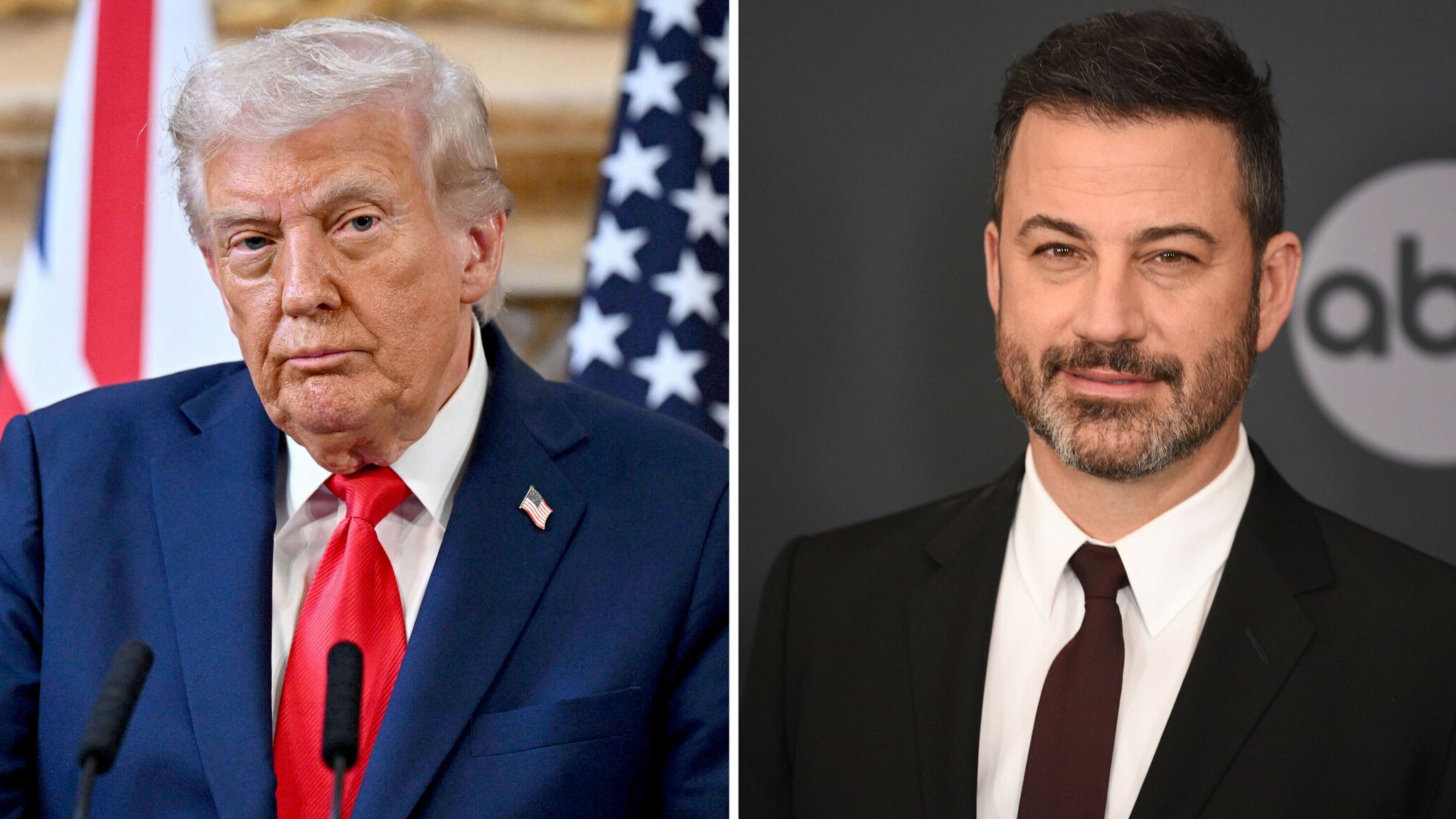
Jimmy Kimmel’s decision to keep an interview with Texas Democratic Senate candidate James Talarico off ABC and instead release it on YouTube has raised questions about government regulation, broadcast television and political speech.
Kimmel announced on Sept. 9 that his interview with Talarico would not air on ABC, citing pressure from the Federal Communications Commission. The interview was instead released on YouTube the following day.
The controversy follows guidance released by the FCC in January regarding the Federal Equal Opportunities Rule. Under Section 315 of the Communications Act, broadcast stations that allow a legally qualified candidate to use their facilities generally must provide comparable opportunities to opposing legally qualified candidates.
The FCC said in January that late-night and daytime talk shows should not automatically be considered exempt from the rule as bona fide news programs.
Kimmel argued that the FCC’s actions amounted to threats against himself, his show, ABC and its affiliated stations over decisions about which guests to book. ABC declined to comment to Reuters at the time.
University of Rhode Island first-year Noah Pruter, a Chinese and international studies and diplomacy major in the Chinese Flagship Program, said he was vaguely familiar with the controversy before learning more about the circumstances surrounding the interview.
Pruter said he disagreed with the government becoming involved in Kimmel’s decision, arguing that individuals should generally be able to make their own choices as long as they do not harm others.
When considering whether television programs should provide opportunities to candidates on opposing sides, Pruter distinguished between what networks might choose to do and what they should be required to do.
“Given that they’re often private, I would assume that it may be morally well to interview both, but technically they can do whatever they want,” Pruter said.
The interview ultimately remained publicly accessible through YouTube, but moving it online did not eliminate his concerns about the circumstances surrounding that decision, according to Pruter.
“I think it’s a shame that they felt like they weren’t able to post it anywhere else out of fear,” Pruter said.
First-year early childhood education major Jack Hakeem had not previously heard about the Kimmel and Talarico controversy. After learning about the circumstances, Hakeem said government involvement in broadcasters’ editorial decisions concerned him.
“It’s leaning towards censorship,” Hakeem said. “Otherwise, the government becomes in control of the news stations, and then who can you really trust?”
Hakeem said he opposed requiring television programs to feature opposing political candidates simply to ensure both sides receive exposure.
“Creating an obligation to show both sides takes away from the individuality of choice from the stations,” Hakeem said. “They’re here to make money and catch views and not be fair.”
The FCC describes the equal opportunities rule somewhat differently. Rather than requiring identical airtime, the rule requires broadcast stations to provide opposing legally qualified candidates with comparable opportunities when the rule applies.
Like Pruter, the availability of Kimmel’s interview on YouTube did not resolve his concerns about government influence over television, according to Hakeem.
“Once they overstep a little bit, if you’re comfortable with that, they’ll keep on pushing more and more,” Hakeem said. “It’s vital we fight against any form of censorship.”