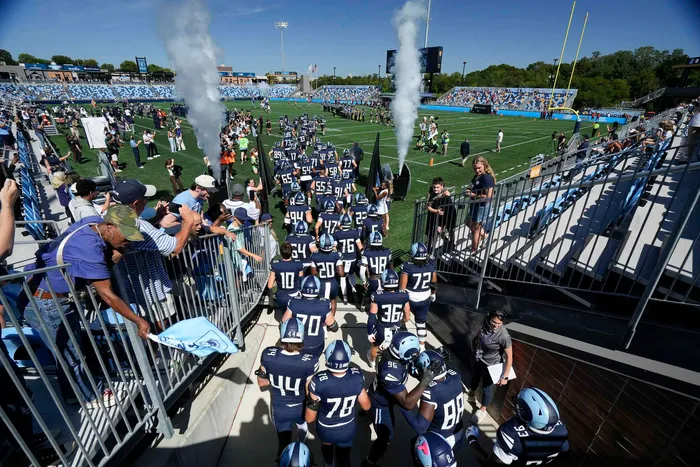
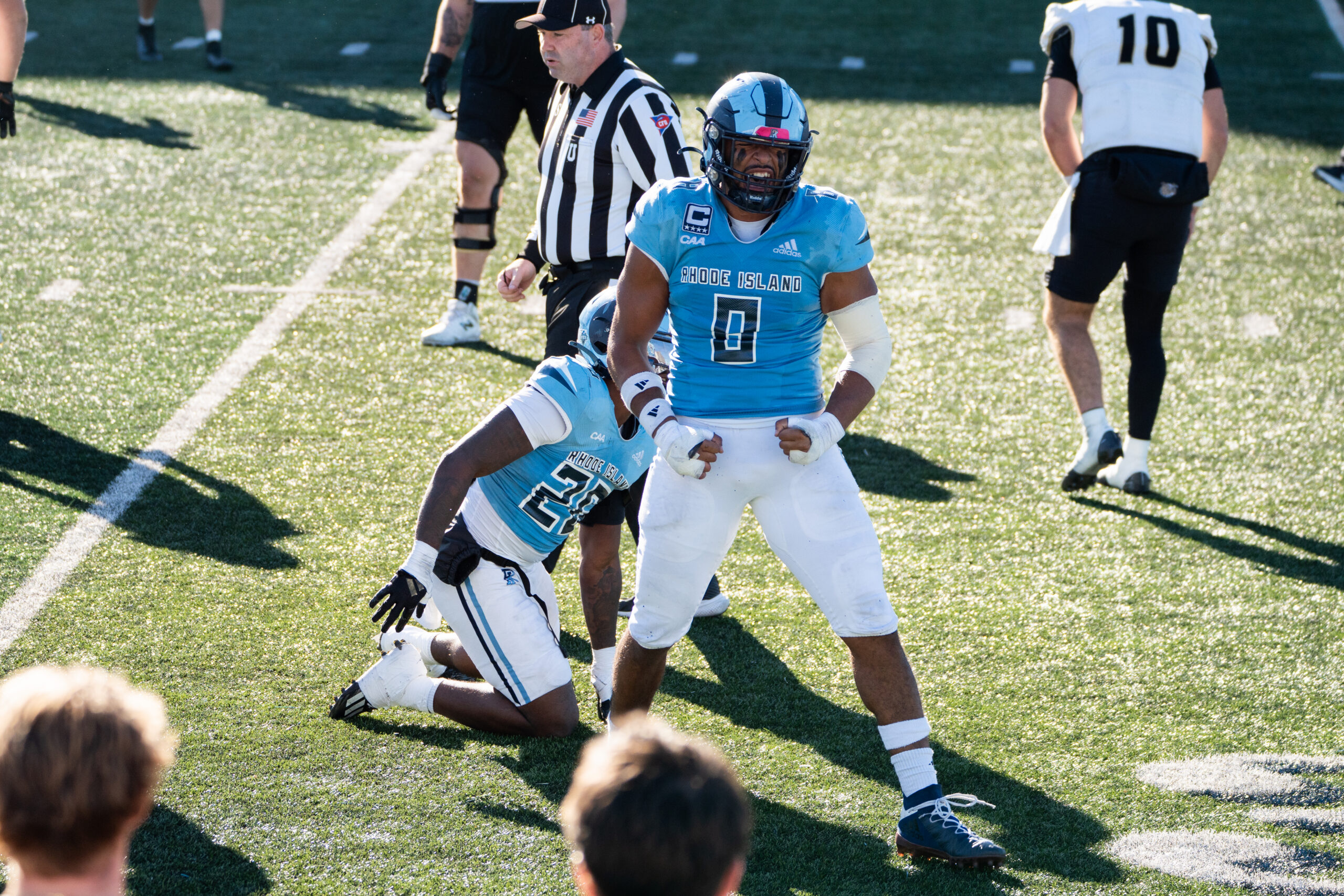
Chance and opportunity have always been at the center of college football. To get the opportunity to play football on Saturdays, players have to put in years of work, sacrifice and competition. For fifth-year hopefuls like Justin Carcel and A.J. Pena, the potential for one last opportunity has turned into a long and difficult legal battle.
Both University of Rhode Island football players are asking the NCAA for a fifth season of eligibility because the NCAA’s new rules introduced a period of transition that left players like them out.
This does bring up a larger issue for college football; when rules change, should players who find themselves left behind be offered the same chances as others?
Players like Carcel and Pena think they should. They both have sent complaints to the Washington County Superior Court against the NCAA. They are asking for the opportunity to play football during the 2026 season for the Rams.
As stated in The Providence Journal, the players claim the five-year eligibility rule from the NCAA unfairly excludes athletes who had already finished their four years before the new system was put into place.
Pena has plenty to provide for the Rams’ defense if he is allowed a fifth year of eligibility. He currently holds both the records for sacks and tackles for loss for URI football, as well as being a two-time All-American.
Carcel also brings valuable experience to the team if he were to come back. He played 13 games for the Rams in the 2025 season.
These players’ arguments are backed up by similar situations going on outside the URI football program within the world of college football. A federal judge in Colorado on July 31 made the decision that Division 1 athletes who began college in the 2022 through 2023 academic year should be allowed a fifth year of play. This decision was directed at all athletes, not just those who filed a lawsuit.
The NCAA, however, still has worries about the situation of eligibility as rules keep on expanding due to court rulings. When backing this point, the NCAA stated that using the fifth-year system, athletes who have already played four years can cause “roster chaos.” By allowing athletes to have all these extra seasons, it can cause a devastating impact on team rosters. It can also cause harm to chances for younger athletes and scholarship offers.
This new system by the NCAA was made to be kept within the same five-year framework, and by constantly changing and altering the system through things like lawsuits, it makes it difficult for schools to decide who is eligible and who is not. These arguments also show us how confusing and complicated college eligibility rules are. In Texas, a judge temporarily paused an SEC ruling that stopped former professional athletes from returning to college football.
The intricacy of this issue is further explained by the NCAA’s own documents. These documents introduce new legislation for D-1, establish rules relating to name, image and likeness and impose roster limits.
This shows that college football and college sports as a whole are going through a big adaptation and growth towards modern times right now. This shows us that cases like the ones of Carcel and Pena are difficult.
People should not just see the cases of Carcel and Pena as athletes trying to twist the rules for their benefit. These athletes are in a difficult spot between two different eligibility rules.
The NCAA introduced one system, but courts are making decisions on others, making the college sports world a place of chaos.
For players like Carcel and Pena, another season could mean an opportunity to compete for URI again and possibly help them grow closer to a professional career. Jim Fleming, URI’s coach, has openly backed both players, saying they only want one more chance to play football.
For Carcel and Pena, their case stands for much more than two football players waiting for a response; it is a symbol of the difficulty and strain involved in balancing fairness and rules during one of the most important periods in college athletics history.