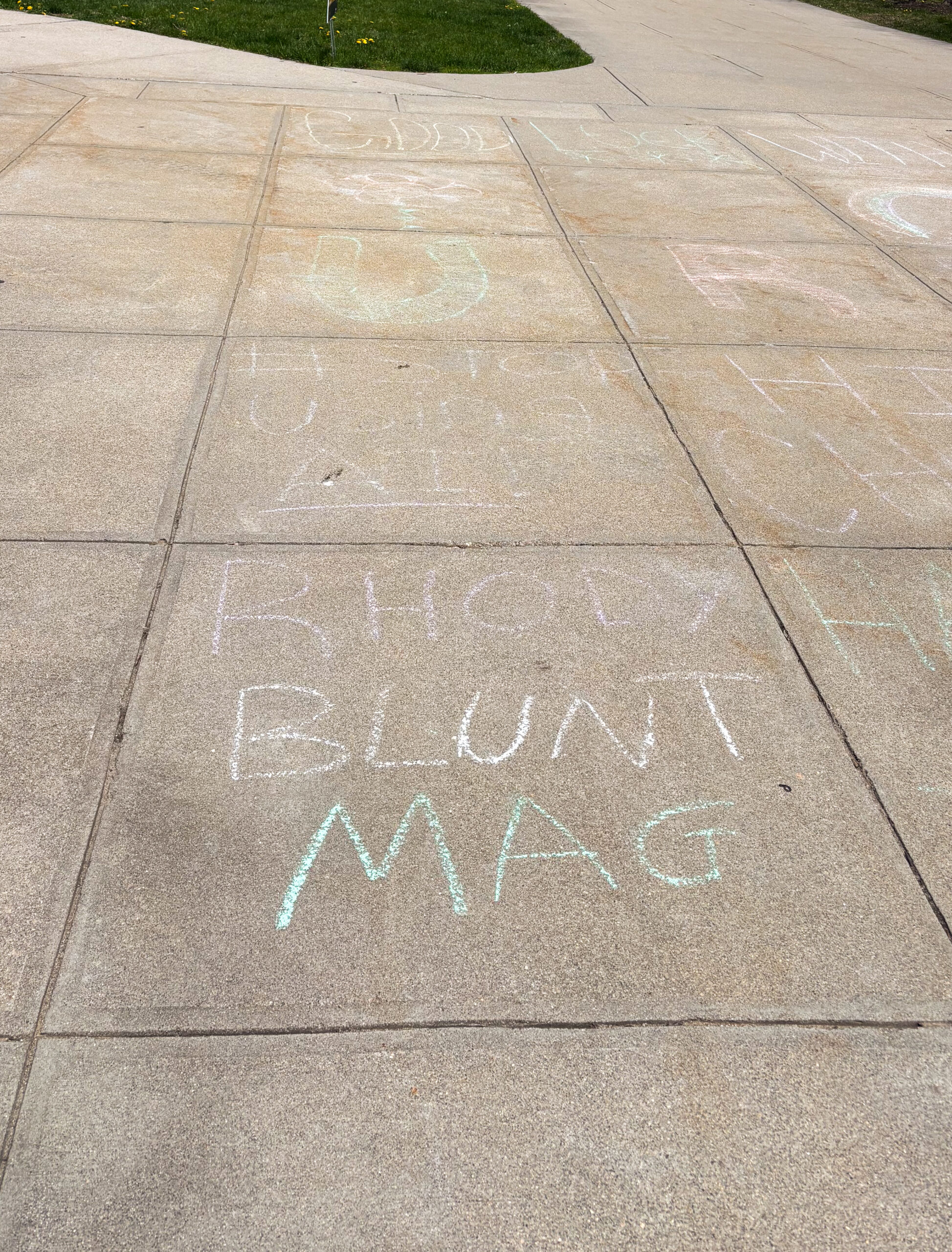

The “Red Zone” is a time period between the months of August and November where sexual assault is prominent on college campuses across the country.
URi-STAND, a University of Rhode Island organization focused on bringing awareness and resources to sexual assault victims, is pairing with URI’s Student Senate to educate students about the Red Zone, according to Keith LaBelle, deputy Title IX director for outreach education training.
First year students may find themselves in a new environment surrounded by unfamiliar people and activities, oftentimes when drugs and alcohol are involved, and the lines of consent are blurred, LaBelle said.
“This is a time that perpetrators know that people don’t have their forever friends,” LaBelle said.
“They may be drinking for the first time, they target them [and] it’s a terrible time,”
It is imperative to educate students on the Red Zone, since this period is a critical time for awareness and preventative measures, according to Georgia Jones, president of URi-STAND.
“We want to prevent [sexual assault] from from happening,” Jones said. “We want to let people know what the resources are if they are impacted by it.”
URi-STAND’s job is to correct misperceptions, since students come into college without a lot of education about what sexual assault looks like in real life, according to Jones.
On college campuses, 50% of assaults happen during the Red Zone period, according to the National Institutes of Health.
Many of the assaults committed during this time period are left unreported until later and sometimes altogether, URi-STAND intern Noah McLane said.
“Sometimes you won’t see those numbers specifically from the Red Zone, until later down the road,” McLane said. “At some point, victims will be able to tell us, their friends or their parents.”
There are also factors as to why victims do not speak up, LaBelle said. “[If] you’re in a new location, you might not be able to say, ‘Hey, I was just assaulted’,” LaBelle said.
Sexual assaults on college campuses are not limited to the Red Zone, many occur throughout the year and during the start of spring semester with the influx of new students, according to Jones. URi-STAND aims to provide support and awareness as often as possible.
“As bad as the Red Zone and Spring Break [are], maybe this happens every day,” Jones said. “We don’t want it to seem like we’re only here for [certain] periods of time. We’re always around.”
URi-STAND also acts as a bystander intervention program, Jones said. The best way to support a survivor of sexual assault, as a peer or bystander, is to listen.
“You never know how far someone’s come in their journey to realizing what happened to them,” Jones said. “We have dealt with a lot of people that come to us, and they say, ‘I don’t know what happened to me.’”
Although hearing victim testimonies is an extremely sensitive part of their role, for many members of URi-STAND, providing support and bringing awareness to these issues is a source of optimism, McLane said.
“Every day I wake up at 6 a.m. with three hours of sleep, and I’m like, this is hard,” McLane said. “This is hard. This is hard. But that’s not hard. Dealing with [sexual assault] is what’s hard.”
For students looking for education or support resources involving sexual assault, visit the Counseling Center, Health Services and the Psychological Consultation Center, or visit the Sexual Violence Prevention and Response section of the URI website. Additional resources, support groups and phone numbers are on the Health Services website under Violence Prevention.
“Victims go through their everyday lives [with] something so drastic, those are the people that give me hope that we can build something and provide as much possible help and awareness in this community,” McLane said.