
The University of Rhode Island has joined a partnership, spearheaded by the town of Charlestown, to create a community engagement program designed to protect and improve salt ponds, a crucial coastal habitat in Rhode Island.
The Salt Pond Smart program is designed to teach residents how to be better salt pond neighbors, according to Salt Ponds Coalition’s Executive Director Alicia Schaffner. URI’s Onsite Wastewater Resource Center encourages residents to use local companies for septic system maintenance in order to limit nutrients leaking into the surrounding land.
The Onsite Wastewater Training Center has been operating since 1993 within the Onsite Wastewater Resource Center, according to its website. The OWRC is part of URI’s Cooperative Extension program, which provides “non-formal education and learning opportunities” to those who otherwise cannot access them.
Homeowners along the southern coast had the opportunity to enroll in Salt Pond Smart from Aug. 25 until Sept. 6, according to RhodyToday. The program operates through cohorts, allowing volunteer educators to work closely with homeowners.
Groups of around 20 residents will go through the education process together, complete with a Brightspace course, according to Schaffner. The course includes various modules teaching homeowners how to best protect salt ponds, like how to be an informed consumer or what native plants are helpful.
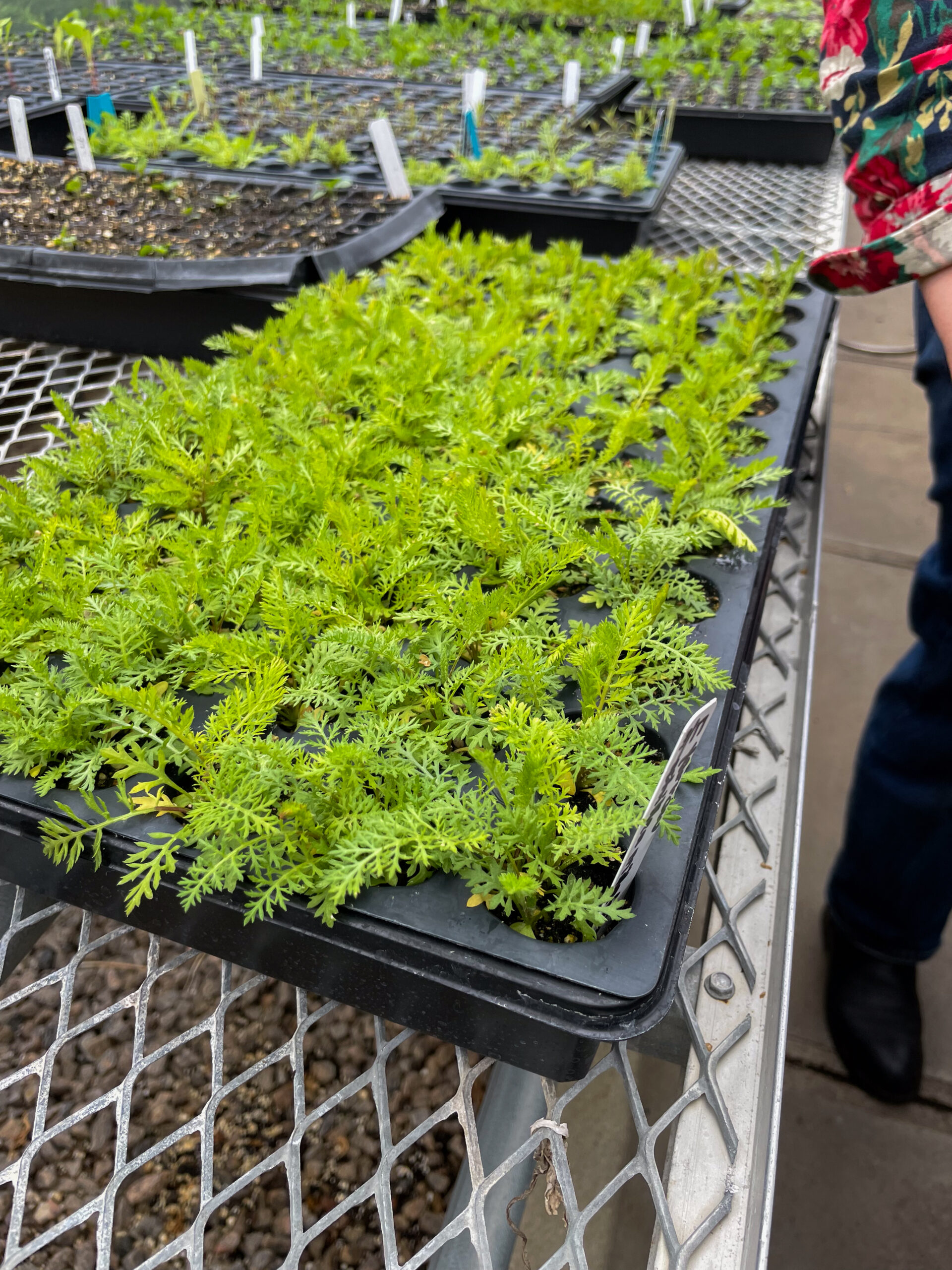
Putting the course online allows homeowners to go at their own pace, according to Schaffner. Some of the course may be in-person, like a Brightspace help session to teach new users how to navigate the site, but the primary focus is making the course as accessible as possible. The course will help homeowners make informed decisions about landscaping in the area. Once residents complete the course and meet the criteria, they will be given a sign “showcasing the homeowner’s commitment to environmental stewardship,” according to a press release on RhodyToday.
In 2021, the Environmental Protection Agency awarded Charlestown $749,999 to kickstart the Greater Allens Cove and Eastern Ninigret Pond Pilot Watershed Program through the Southeast New England Program, according to the Southeast New England Program Project Dashboard.
Out of date septic systems and fertilizer use creates excess nutrients in the water supply which can damage salt pond ecosystems, according to RhodyToday.
The Salt Ponds Coalition is one of Charlestown’s partners in the program, according to the Salt Pond Smart website. The SPC was founded in 1985, alongside the creation of a water-quality measurement program.
The SPC is the oldest volunteer based water-quality monitoring program in the United States, according to its website. They currently monitor six different salt ponds across Rhode Island, including Ninigret Pond.
Salt ponds are a crucial coastal habitat in Rhode Island, according to Schaffner.
“[The salt ponds] are a nursery for a lot of different species,” Schaffner said. “A lot of different crab species, a lot of them have breeding grounds, horseshoe crabs all have breeding grounds in the salt ponds.”
Salt ponds are protected water bodies, generally created after a pond is disconnected and then reconnected to the ocean, according to the New York Natural Heritage Program. This allows young creatures to grow without disturbance, according to Schaffner.
Salt ponds also protect humans, according to Schaffner. Salt ponds help absorb storm surges, preventing coastal flooding in some areas. Coastal American cities have been struggling with land loss for quite some time. For example, the sea level in Rhode Island has risen 6 inches in the past 40 years, according to the Rhode Island Coastal Property Guide.
Enrollment for Salt Pond Smart is currently closed, but interested parties can learn more on its website.