The University of Rhode Island’s Robert L. Carothers Library hosted a “Blind Date with a Banned Book” event this week, drawing students and staff to discuss censorship, intellectual freedom and the importance of diverse literature.
The event was held to raise awareness about the issue of banned books, censorship and challenged literature in general, according to Amanda Crego-Emley, assistant professor and head of reference at the URI library.
The event also helps students discover popular fiction and reading material that might otherwise be overlooked in an academic library setting, according to Crego-Emley.
“This is a great opportunity to put books in people’s hands that they might not otherwise have come across,” Crego-Emley said. “This also gets folks to consider why books get banned, how they personally feel about their freedom to read and sort of celebrate that freedom to read.”
The event was held over two days, Oct. 7-8 from noon to 2 p.m.. The event invited participants to select a wrapped book from a curated collection of titles that have faced bans or challenges in schools and libraries. Attendees were encouraged to reflect on the reasons books are banned and to share their perspectives on the impact of censorship.
Crego-Emley said a lot of books are banned for having queer and LGBTQ+ representation or characters. A lot of books are banned for issues of sexuality, profanity and religious themes.
It is important for students to see themselves represented in literature, according to Makayla Corrigan, a coordinator for the event.
“I feel very passionately about having books that have diverse representations of diverse characters and identities,” Corrigan said. I think that’s very important for students to feel confident in their own identity,”
Literature helps to uphold values of intellectual freedom and freedom to read, according to Corrigan. It also allows people to draw their own conclusions.
Student attendees had similar feelings about censorship and intellectual freedom.
“Books are extremely important for empathy and understanding, Darian Clay, a fourth-year mechanical engineering major, said. “For books to be banned, it’s banning people’s thoughts and what they want to say about the world and how they want to be understood. Because if people aren’t reading those books, then those thoughts are lost forever.”
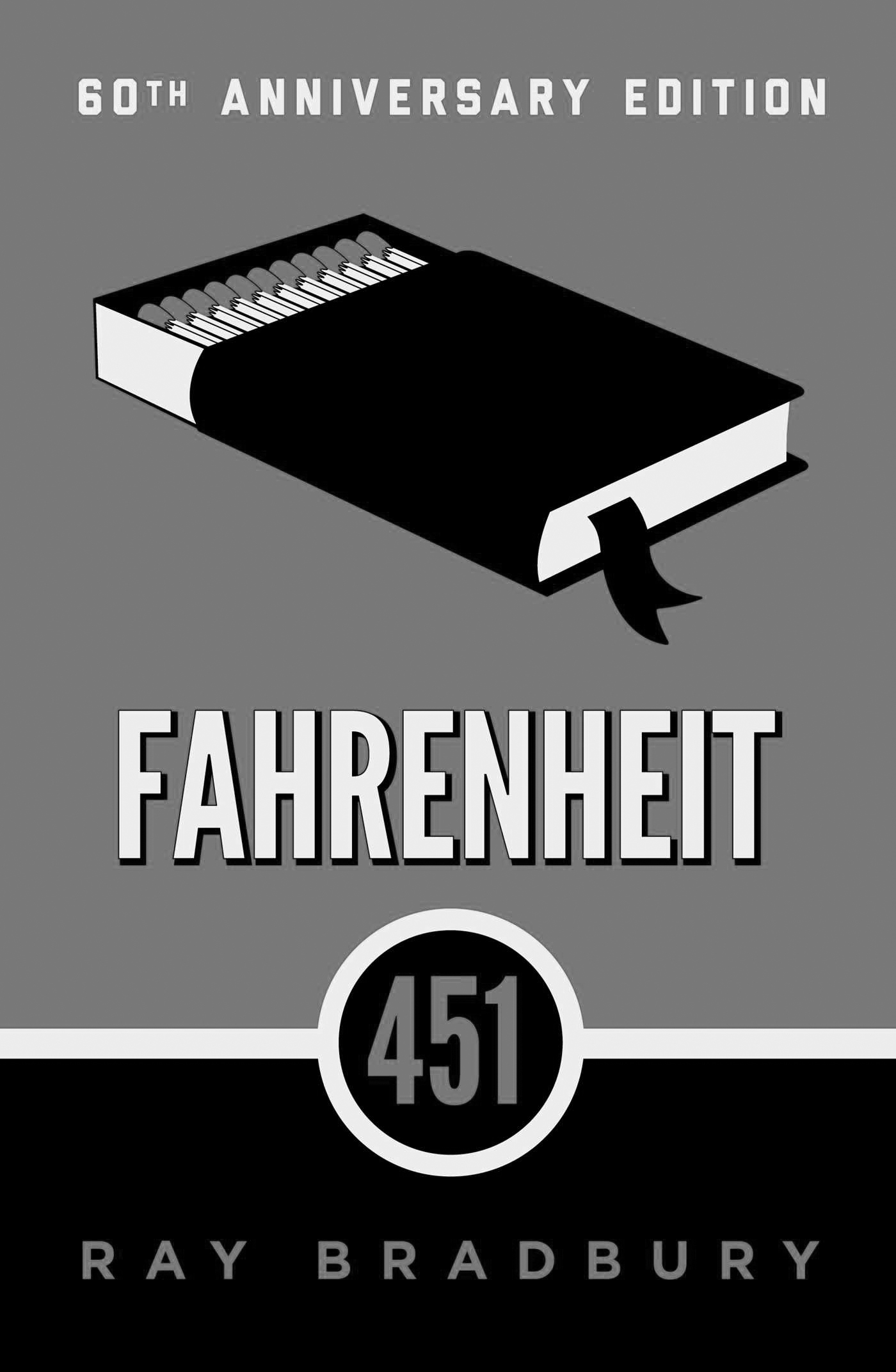
Clay said he feels censorship isn’t right at all. He mentioned books such as “To Kill a Mockingbird” and “Fahrenheit 451” as very important stories that exist in the world.
“Those books have social commentaries that could potentially lead someone to want to become a politician and change those different laws and regulations,” Clay said. “That book might have made [readers] realize, ‘huh, maybe those things aren’t right.’”
John Butler Basner, a fourth-year mechanical engineering major, said censorship is a huge problem.
“Just [having] access to information is incredibly important to me, not only to figure out factual information, but also self-expression,” Basner said. “I think when you remove that, especially from young, budding minds, it is detrimental to your development.”
Basner said that if political figures start banning books that go against what they believe in, it can shed light on how fragile their views are.
“Blind Date with a Banned Book” event organizer, Crego-Emry, said nearly 60 people interacted with the event table and 26 books were checked out on the first day alone.
“A lot of people have been really curious and really excited to come and check out books,” Crego-Emley said. “I think it’s really cool to get to do some public programming in the library and show folks that this isn’t just a space to come for research, but is also a space to come to be exposed to new ideas and read new literature.”
The event concluded with participants encouraged to unwrap their chosen books at home, continuing the conversation about censorship and the freedom to read.