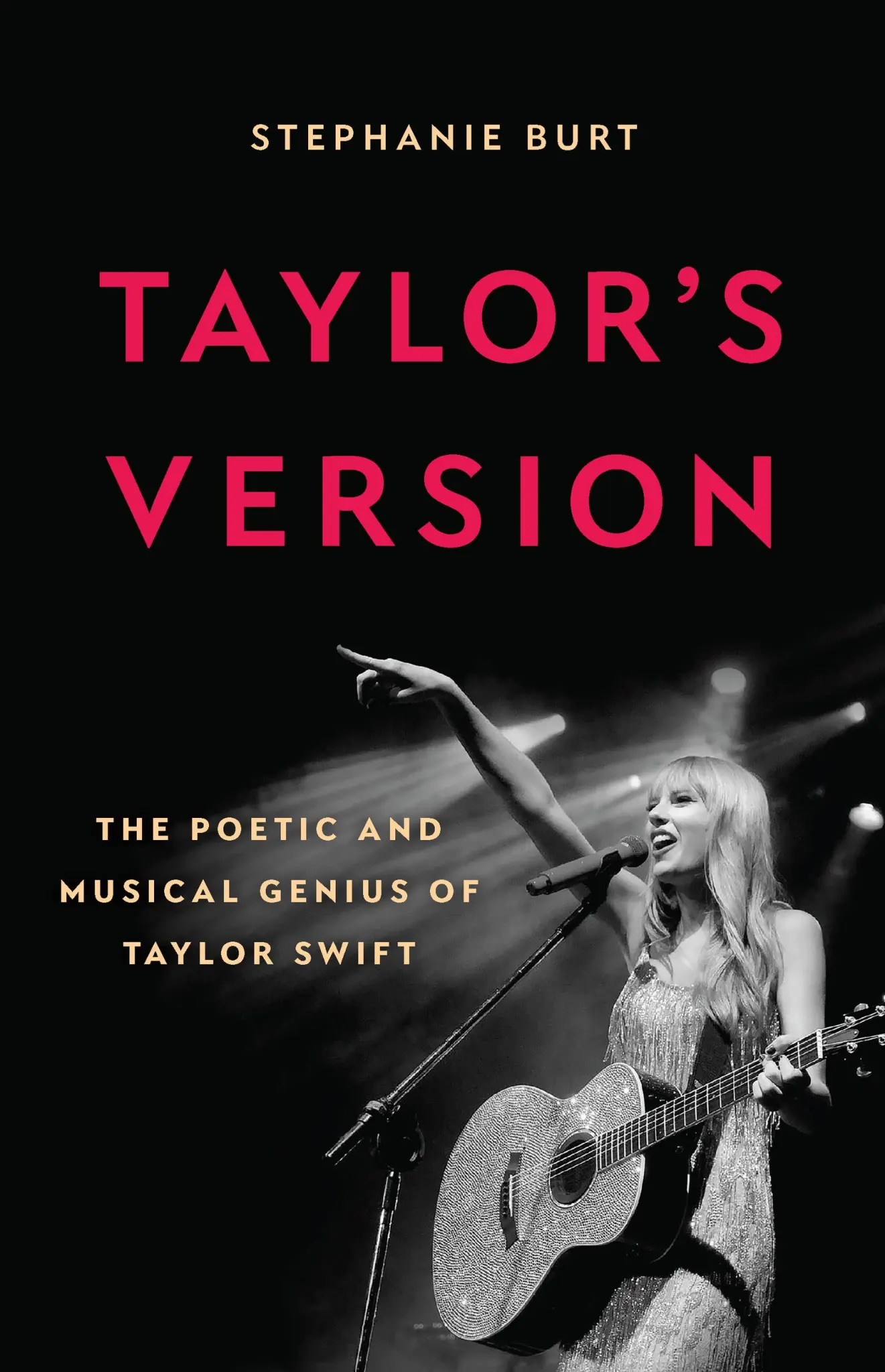
Stephanie Burt, a professor at Harvard University, spoke about the relatability and aspirations of Taylor Swift, promoting her book “Taylor’s Version,” at the Center for the Humanities’ annual humanist lecture series on March 26.
This year’s theme was humanities and popular culture/counterculture, according to Evelyn Sterne, a history professor and the director of the Center for Humanities.
Without Swift’s wit, photogenic countenance, willingness to work, learn and study, she couldn’t be the successful person she is today, according to Burt. Swift had to take directions from her producers and collaborators, both in the studio and as a performer. Though her early success came from the exceptional qualities listeners began to find in her songs.
Swift made industry headlines as the youngest songwriter in the United States, according to Burt. In an interview with Pattie Boyd from July 10, 2018, Swift said the ideas for songs can be complicated on every level, from crafting to structuring them. However, songwriting is still the same uncomplicated process from when she was 12 years old, writing songs in her room.
While Swift collaborates in the studio with creators like Aaron Dessner, who send her rhythm tracks, she has always portrayed herself primarily as a songwriter.
“In fact, Swift is both a brilliant songwriter and a brilliant collaborator, one who seems this is important to prefer collaboration to solitude,” Burt said. “[It’s] unsurprising for someone who showed so much need for approval and so much self-doubt… She wrote all of what she represented.”
By the time Swift wrote her third album, “Speak Now,” listeners could find threads and patterns, distinguishing her work both musically and lyrically, according to Burt. First described by the musicologist and podcaster Nate Sloan, “You’re On Your Own Kid” includes a dramatic beat drop near the end of the chorus.
The line “everything you lose is a step you take” is a half step up to the fourth note on the A major scale, dropping a half step back and then a fifth step down, according to Burt.
Listeners can also find lyrical and verbal motifs as well, according to Burt. Swift likes to use numbers and ages, such as “that kind of radiance you only have at 17,” from “Nothing New.” These are aspects of wordsmithing that songwriters use to make their songs stand out.
“Notice as you spend a lot of time with [Swift], you learn a lot about songwriting, if you aren’t already a songwriter,” Burt said. “[In ‘Would’ve Could’ve Should’ve] 19 rhymes with my knees, because in songwriting, it’s the vowels that matter.”
As listeners see Swift move into other styles and other topics, they can see her remaining aspirational and relatable, according to Burt. Listeners hear this as she incorporates her own self- doubt into the characters she creates in her music. Some of the characters look like different versions of herself, and others come from people who’ve dealt with the consequences of fame. Swift fosters greater intimacy with her listeners rather than the subjects in her love songs, which are usually male.
“Who needs advice when you’re dating the guy on the football team?” Burt said. “Who needs advice about what to do when senior guys think you’re cute instead of seeing you around before?”
Some students came to the lecture as a class requirement, according to third-year Gabe McKinlay. McKinlay isn’t a Swift fan, but he can see the appeal.
“I mean, she has, like, this global phenomenon that, you know, everyone sees, and it’s pretty crazy,” McKinlay said. “So yeah, I’m kind of excited to see that aspect of her life.”
Burt was chosen as the keynote speaker because she is a friend of Martha Rojas, an English professor at URI, according to Sterne. Rojas is part of the Center for the Humanities executive committee and was aware of Burt’s course on Swift.
“[Burt] had a very clear argument that was easy to follow,” Sterne said. “I loved the fact she got the audience to sing along and ask questions.”
Burt gave the lecture because she was always thinking about songwriting and her favorite songwriters throughout her early life.
“Finally, there’s a songwriter I’m obsessed with who is so successful that people actually want to take a course about her,” Burt said.
Readers can find “Taylor’s Version” at bookstores or online.