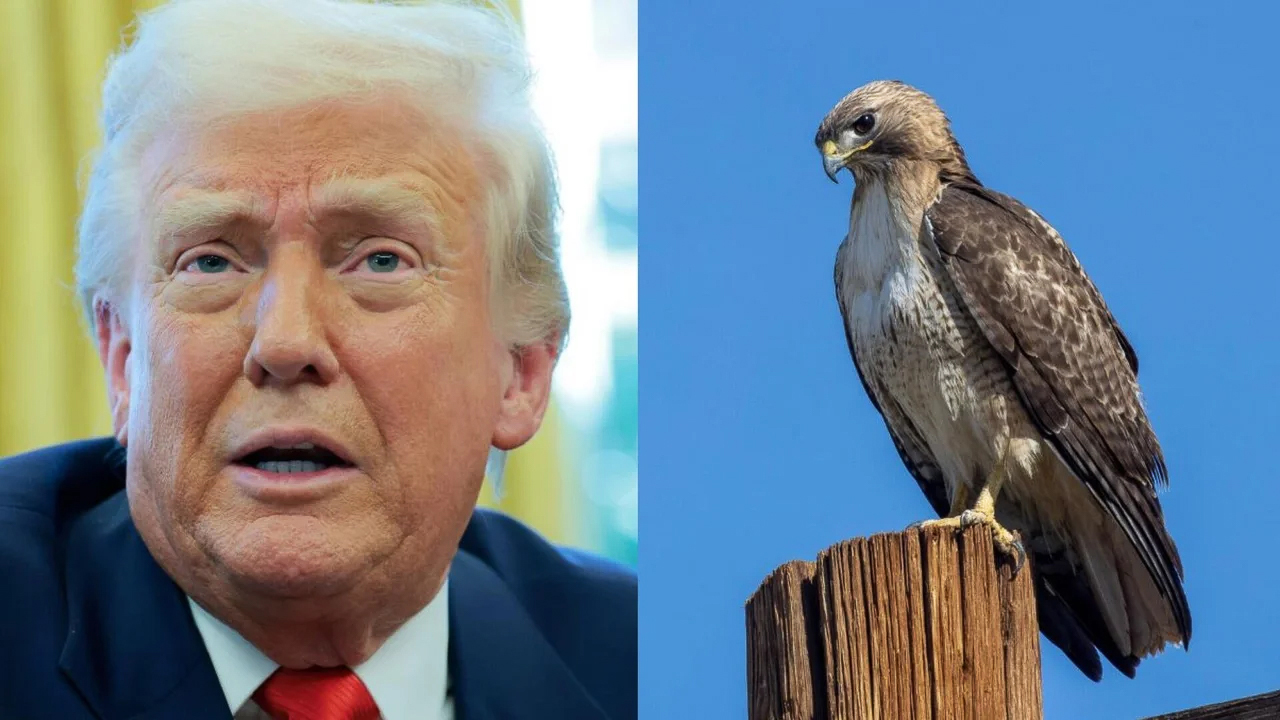
Under an internal memo from the Trump administration, the Endangered Species Act now has a new definition of the word ‘harm,” allowing habitat destruction to be legal as long as the actual species is not intentionally attacked during the destruction.
The Trump administration removed the regulatory definition of harm from the ESA according to the internal memo. Prior to this change taking effect on Sept. 14, the ESA’s meaning of the words “harm” or “take” successfully made the destruction of an endangered species’ habitat illegal. Under the new definition, harm only occurs when there is a direct and intentional attack upon the species, which allows for widespread habitat destruction.
In July, the Trump administration also released a statement through the U.S Department of the Interior that pulled back on the ESA’s threatened species protections. The DOI stated that moving forward a “threatened” species will be appropriately treated as “threatened,” not “endangered.”
Despite the original ESA being passed unanimously in the U.S. Senate, the ESA has been under attack by administration in the past, such as Reagan, Bush and now Trump, according to Chris Floyd, professor in URI’s Natural Resource Science Department,
“You can’t really do much, nobody has really tried to go back and amend the bill,” Floyd said.
Instead, administrations will alter the ESA by changing how action terms, such as the word harm, are interpreted according to Floyd.
“It is short sighted and removes a really important definition of harm from the Endangered Species Act that has been crucial to the success of the ESA so far,” Sarah Kienle, a professor and researcher in wildlife conservation, said. “We know that one of the major threats to animals and plants is habitat destruction, and so by removing that as a source of harm it opens up one of the major pathways that’s leading species to being endangered in the first place.”
Kienle expressed her worry for how this change will affect animals, Rhode Island species and future researchers.
“Its going to affect our research, and URI students working in our labs that are in our classrooms, and graduate students who have their projects, it’s going to effect all of us because we’re going to see real world impacts and real world harm,” Kienle said.
Despite that effect, Rick McKinney, research ecologist at the U.S. EPA, explains that administrations look at trade-offs when making changes like this.
“There’s always historically been a trade off between conservation and economic development.” McKinney said. “It’s moving back more in favor of economic development over conservation.”
Despite the dismay of some of URI’s natural resource department over this turn, Mckinney expresses there is still some hope that the change will not last long.
“It’s going to be challenged in the courts, what they’re doing, and so it could very well be overturned,” McKinney said.
However the concern McKinney expressed is that it will be an argument of legal evidence over what the original law intended rather than a debate of scientific evidence. It leaves it up to the Supreme Court’s discretion.
“We tend to be very reactionary once things are in crisis,” Kienle explains. “It’s harder to be proactive.”
Kienle urges students that are upset by this act to create change by voting.
The most effective way to change things is by going out and voting for a difference, according to Kienle.