
Feathers, sand, chunky belts and the word “camp” all come to mind when thinking about Coachella, a festival where fashion, music and internet culture collide under the California desert sun.
During the 2026 festival cycle, that spectacle felt less like a celebration of artistry and more like a reflection of how far the event has drifted from its original purpose.
Featuring musical headliners such as Sabrina Carpenter, Justin Bieber and Karol G – artists with massive global followings and even larger price tags. While their presence guaranteed buzz and ticket sales, it also highlighted the festival’s growing commercialization, once rooted in countercultural ideals.
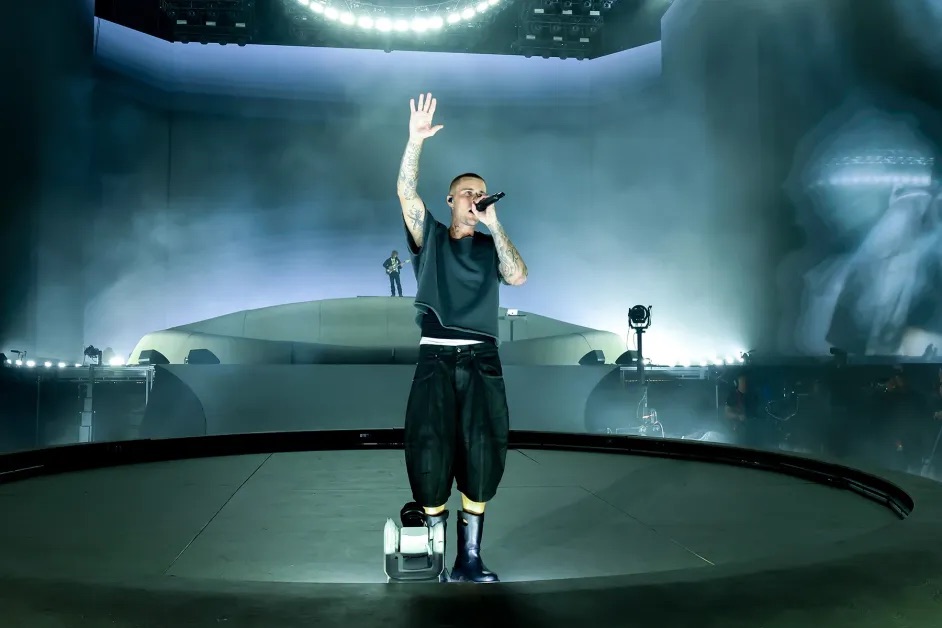
Bieber’s set, in particular, became a flashpoint for criticism. Reportedly the highest-paid performer in Coachella history, he leaned heavily into nostalgia, spending a significant portion of his performance scrolling through old YouTube clips of his younger self and encouraging the crowd to sing along.
The moment may have been intended as introspective – a reflection of fame, growth and identity, but for many in the audience, it felt underwhelming.
Fans paid thousands of dollars for tickets, travel and accommodations, many camping in the sandy lots of Palm Springs just for the chance to see their favorite artists live.
Watching a headliner doomscroll through his own past blurred the line between performance art and disengagement, raising questions about what audiences are actually paying for.
That tension becomes even more striking when placed against Coachella’s origins.
Founded in 1999 by Paul Tollett and Rick Van Santen, the festival was conceived as an alternative to the high costs and corporate control associated with major concert promoters like Ticketmaster.
Early ticket prices hovered around $50, and the event positioned itself as an anti-establishment gathering, a more intimate, artist-focused experience in contrast to the chaos and commercialization of festivals like Woodstock.
In recent years, that has shifted entirely. During the 2026 Coachella experience, that was more apparent than ever.
Bieber reportedly received a record-breaking $10 million to scroll on his phone and sing-along to YouTube videos, showcasing how the festival is so far gone from its origins.
Coachella still draws massive crowds and global attention, but its identity has changed. The question is no longer whether the festival is entertaining, but whether it still stands for anything beyond spectacle.
In a desert built on illusion, Coachella may have finally become exactly what it set out to resist.