University of Rhode Island students felt relief when purchasing their textbooks for their Chinese classes after tariffs were lifted on China and Taiwan.
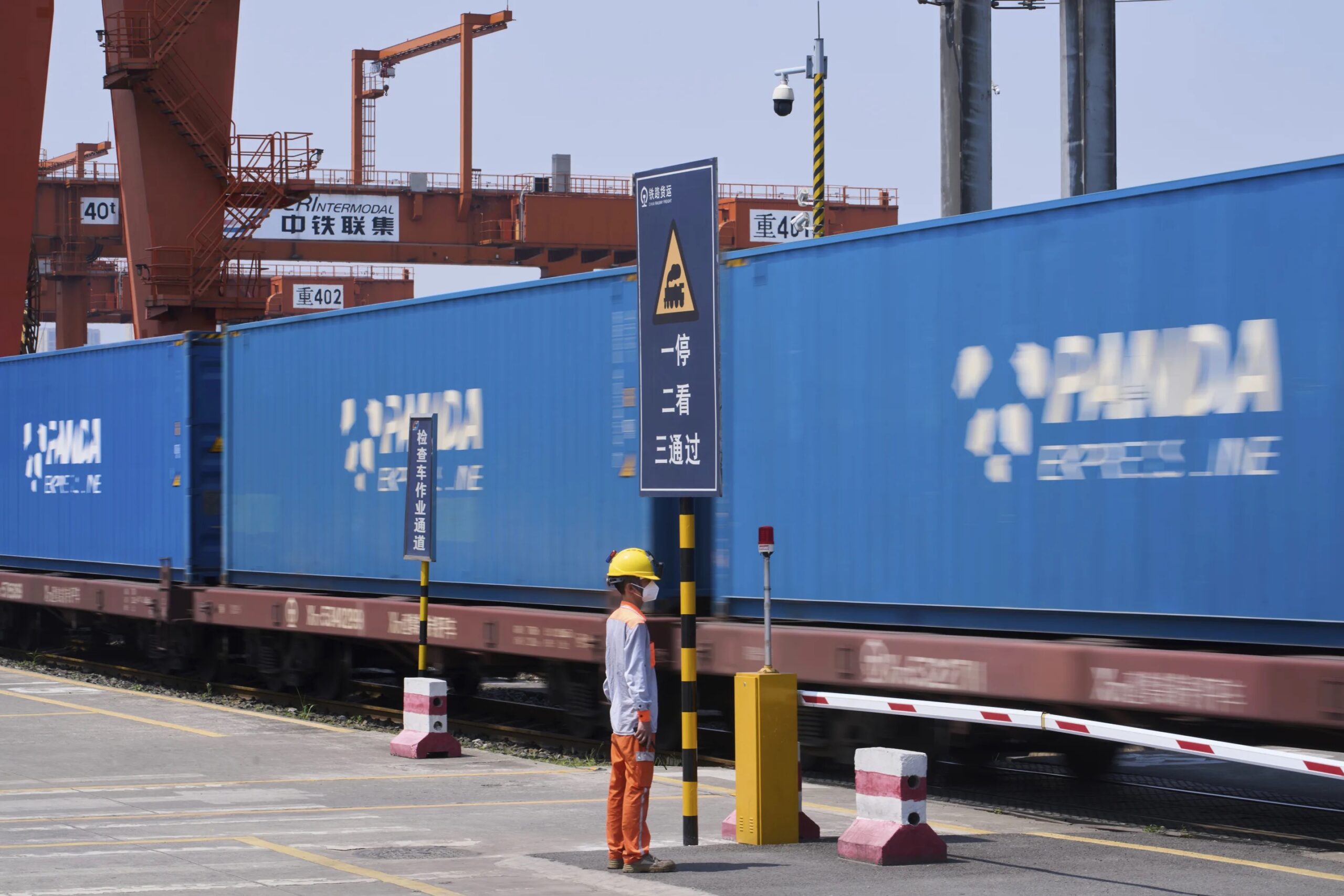
President Donald Trump imposed tariffs on China on Feb. 4, 2025, which placed a 10% penalty on all Chinese goods, according to the Associated Press. The tariffs imposed on Taiwan came as part of Executive Order No. 14257, which put a 32% penalty on goods.
Left affected by these tariffs, URI students enrolling in Chinese classes for the Fall 2025 semester would come to be affected all the same, according to part-time student Andrew Campbell.
The textbooks needed for these classes come from China and Taiwan, putting them at a staggering price for students to pay for the materials, according to Campbell. Due to the tariffs, the book needed for his class was out of budget, leaving only the e-book option. Having only the e-book created issues.
“That made it not only difficult for the students, but it also made it difficult for the instructor when it came to assigning readings,” Campbell said. “It was very, very difficult and it made it really burdensome.”
Although the students were not able to have the physical book, the instructor had a copy, according to Campbell. Despite the instructor having a copy, due to copyright restrictions, the instructor was not able to make copies for the students.
Eventually, the students were able to order the books, according to Campbell. Even though this option arose, the students didn’t receive the textbook until the last week of classes due to delivery delays caused by the tariffs.
“Not being able to get the textbook was detrimental to our ability to complete the course unless you had a friend who could provide you with the materials,” second-year Michaela Castner said. “All of our classwork and homework, especially during your first and second year, is all coming from the textbooks that are given.”
Moving towards the spring semester, the tariff restrictions loosened, according to the Associated Press.
Students hoped to see the change reflected in the process of ordering textbooks, according to Campbell. As the process began, materials from the previous semester were the base.
“The book we used in the fall semester we continued to use for part of this semester,” Campbell said. “Even though I got the book late for the fall semester, it was actually really useful for the spring semester.”
At the beginning, extra work was placed on instructors so that classes could run as normal, according to Campbell.
“There was an additional burden on the part of the instructors,” Campbell said. “They had extra workloads on them because what they would do is they would create their own PowerPoints with content from the textbook. They probably created many more PDFs than they needed to.”
With these measures in place, the students were able to receive a new book early in the spring semester and continue learning, according to Campbell.
“We ended up getting a second book to use in the spring semester,” Campbell said. “The tariff restrictions were lifted. I guess things got a little better, but it was much more problematic in the fall.”
For more information on the Chinese Language Flagship Program, visit the university’s website.