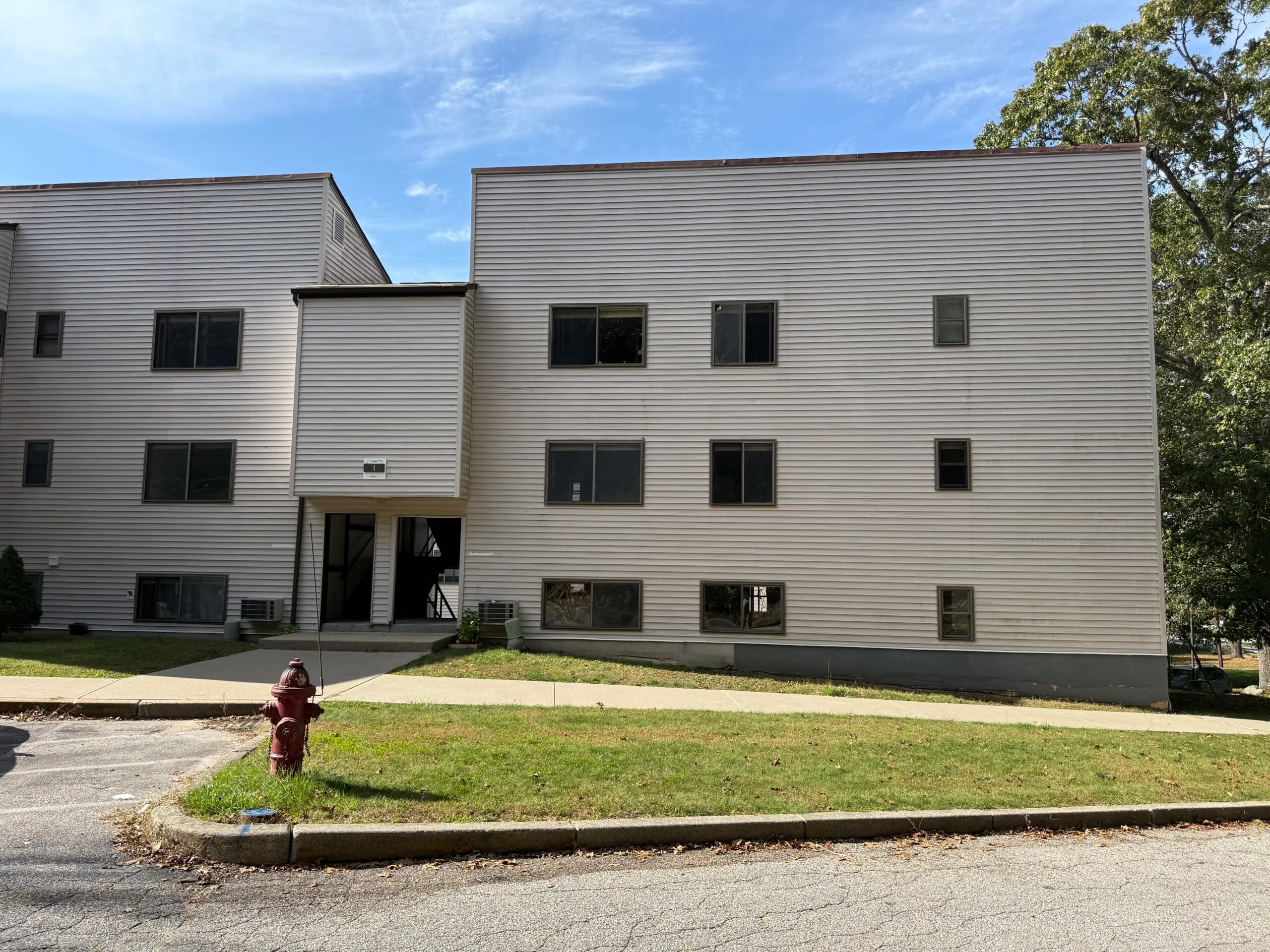
The University of Rhode Island is moving forward with a total renovation of the Graduate Village Apartments starting May 2026, estimated to affect roughly 400-500 students and causing them to relocate, according to the Housing and Residential Life website.
The apartment renovations are a part of URI’s major overhaul of student housing across campus, according to Thomas Cooley, assistant vice president for Housing and Residential Life. There will be three new apartment-style housing sites – one of which will be situated at Graduate Village, with plans to add approximately 1,100 new beds for undergraduate and graduate students by fall 2028.
Graduate Village residents have been notified that their residence halls will close in May 2026, according to Cooley. The university is developing a transition plan to support affected students.
“In May 2025, we notified residents that their halls would close in May 2026 as we prepare the site for new development,” Cooley said. “We followed up with another email reiterating our commitment to share more details as they’re finalized.”
Some Graduate Village residents will be relocated to Gateway Apartments, while others will seek off-campus housing, according to Cooley. URI offers resources to assist students in finding off-campus housing during the transition.
These resources include student access to a database of available properties on Off Campus Partners, an apartments.com subsidiary, and the URI Graduate Student Association has a bulletin board where students can post notices and roommate requests, according to the URI Website.
“We’re asking students to take part in that process [of relocating] on their own, but we’re also looking for ways to help them through it,” Cooley said.
HRL will help students navigate the transitional process and can point students to the right resources given their scenario by reaching out through email or URI MyHousing, according to Cooley.
Moving the students back into their housing will be a two phase process, with the first phase of moving in expected to open in fall 2027, according to Cooley. Moving is projected to be completed in 2028.
This initiative to reconstruct student housing is a central part of URI’s long-term strategy to modernize campus living and meet the needs of a growing student population, according to Cooley.
“This work is a key component of the housing master plan and the university’s strategic plan,” Cooley said. “It’s a transformative project that will serve both undergraduate and graduate students.”
The first new housing units will open to undergraduates in 2027, with additional beds – including those for graduate students available the following year, according to Cooley. In addition to the new housing, URI plans to upgrade bathrooms in Bressler Hall and continue improving lounge furniture across residential buildings.
“We’re in the early phases of that project, with construction on Bressler Hall expected in summer 2026,” Cooley said. “We’re also investing in lounge furniture based on student feedback.”
The scale of the housing expansion is wide, according to Dawn Bergantino, assistant director for communications at URI.
“At the end of this project, there’ll be 1,100 new beds, which is a positive,” Bergantino said.
The project is being financed through a bond in the financial market rather than state or federal grants, since Housing and Residential Life is an auxiliary service, according to Cooley. The revenue Housing and Residential Life earns all income from student rents and this includes bonds. It works like a mortgage.
Bergantino confirmed that the financing will come from the private market.
“It’s a bond through the financial market, not through the state,” Bergantino said.
URI has maintained a strong financial record in managing similar loans, according to Cooley.
“There are checks and balances in place to ensure we can meet those obligations,” Cooley said.
The university remains focused on reinvesting in the student experience, according to Cooley.
“We have a constant commitment to our students to deliver an unparalleled residential experience,” Cooley said. “Through engagement and collaboration, we want students to feel supported and valued.”