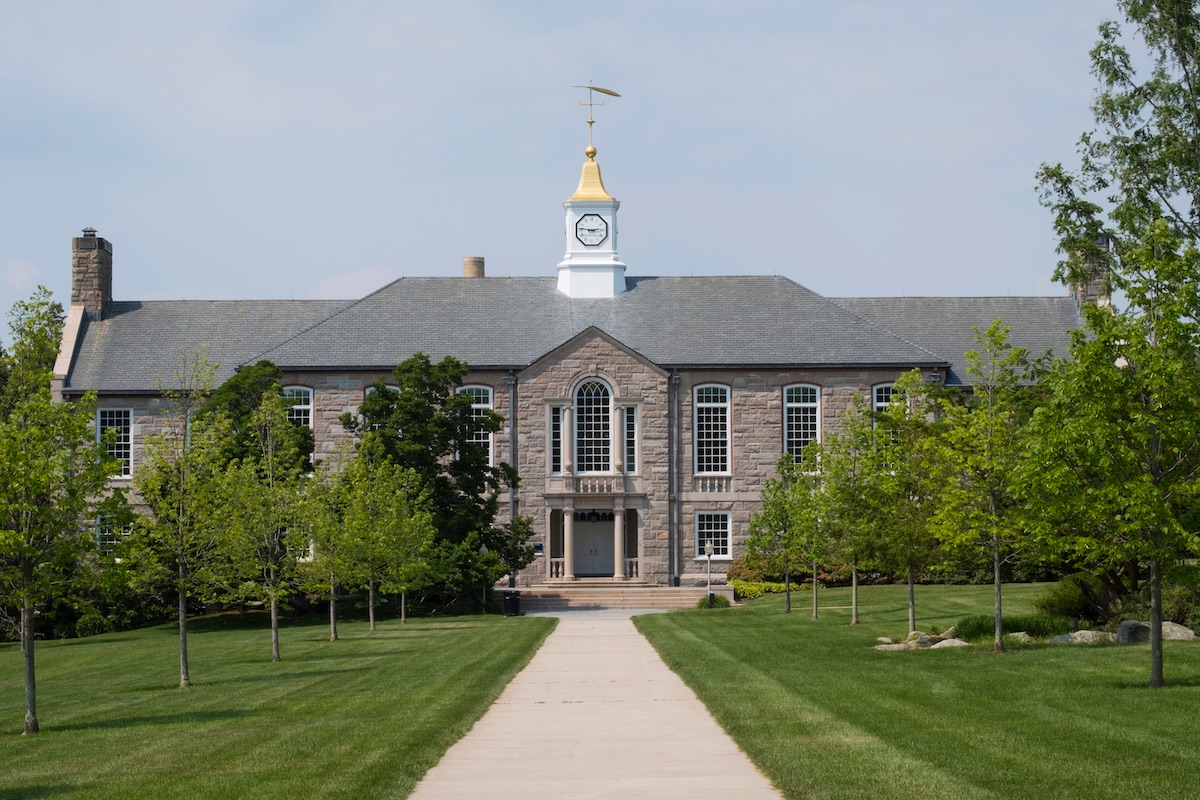

The University of Rhode Island named 17 out of 357 schools across the United States in a ranking for “Best Schools For Veterans 2025” by the Wall Street Journal.
The rank showcases the strength of university support for veteran students, according to Bob Flynn, director of the Military Veteran Education Center. MAVE is the focal point of assisting veteran students, but they get additional support from enrollment services, academic advising and admissions.The ranking is evaluated by the services universities provide nationwide.
The rank puts URI’s name out into the world to attract veteran students, according to Kathleen Conlon, the coordinator for MAVE.
Being the number one university in public research, in New England and military-friendly sets URI apart from competing universities, specifically the University of Connecticut and the University of Massachusetts, according to Flynn.
“[The ranking] is a testament to the entire university’s effort, led by President Marc Parlange, to create conditions that make veterans successful,” Flynn said.
During the pandemic, MAVE noticed a decline in veteran applicants, according to Flynn. The number has slowly come back in due to the ranking. In addition to providing student support, MAVE also support for applicants’ children and spouses financially.
The financial support for the programs comes from donors within the URI community and alumni to all incoming veteran students, according to Flynn. Veteran students who haven’t been to school acclimate to the environment are specifically more supported. MAVE also works to transfer credits that students may have received for their work in the military or from other schools.
This includes accommodations for deployment because veterans may take a leave of absence for one semester and then come back to URI, according to Conlon. There are steps in the university manual that protect the veterans from dropping or failing classes. MAVE becomes the middle person if they need assistance from faculty to navigate the process.
The veteran students add diversity to URI by age, as most are 22 through 40.
“It just adds diversity to our campus, and being a top university attracts more folks,” Flynn said. “I think if we continue this effort across campus, we’ll be increasingly a center of excellence for military-connected people to come to URI.”
MAVE has 200 dependents coming to URI on benefits from where they were deployed, according to Flynn. This includes students whose parents could have had the Government Issue Bill and transferred it to the dependent. If the dependents have benefits, URI takes care of their current state as a veteran.
“I don’t think a lot of people realize we have an active military coming here,” Flynn said. “They’re taking a break from service to get their master’s degree.”
MAVE has a broad number of majors such as engineering and marine affairs, according to Flynn. Other majors among veterans include criminal justice, business majors and political science. They also have a lot of engineering and marine affairs majors.
“What they did in the service doesn’t always translate into what they’re majoring here,” Conlon said.
MAVE helps with resumés, provides academic counseling, advising and holds events according to Conlon. Their next event is a potluck on Tuesday Feb. 13 at the MAVE center at 12 p.m.