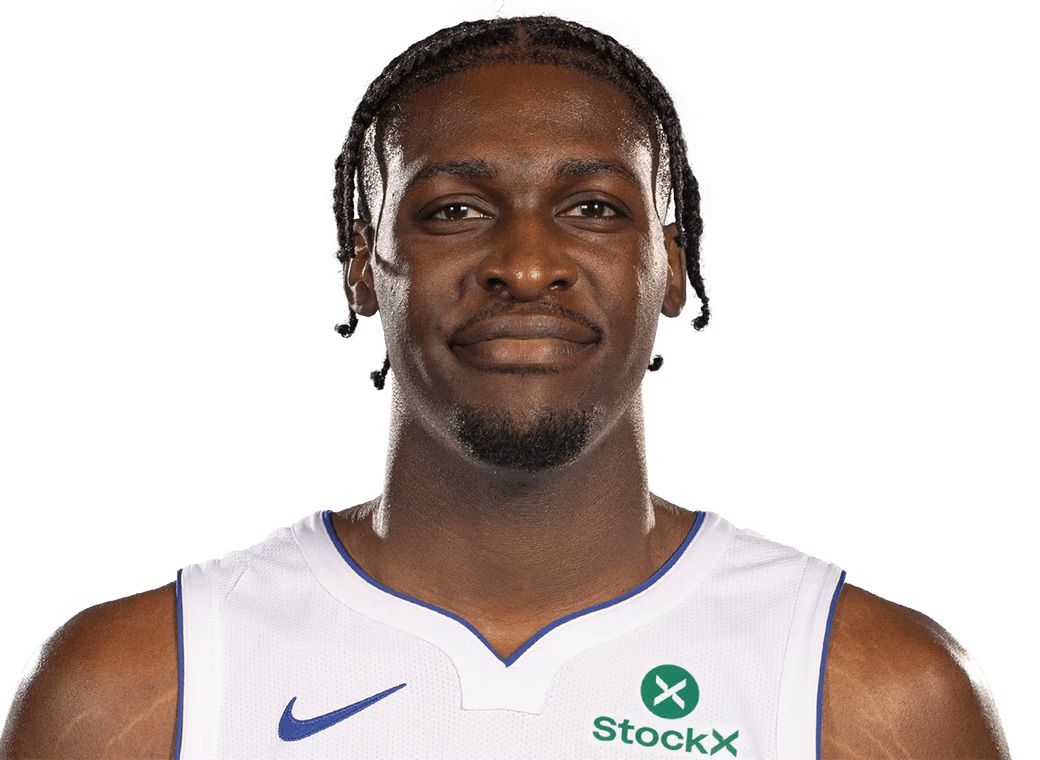
On Jan. 21, Charles Bediako was granted a restraining order against the NCAA, which provided him eligibility to play for the University of Alabama.
Bediako had not played for Alabama or in the NCAA since 2023. After going undrafted in 2023, Bediako signed multiple professional contracts and played three seasons in the NBA G League.
Bediako was only one of the increasing number of professional players trying to break back into NCAA basketball. In recent weeks, former Charlotte Hornets guard Amari Bailey has visited college programs as he waits for his eligibility to be granted.
Given the fact that Bailey has played and scored in actual NBA basketball games, college basketball fans are getting fed up with how far the line seems to have been pushed.
NCAA roster spots should be taken up by high-school recruits and college athletes. By allowing professional athletes to compete in collegiate leagues, high-schoolers are finding it increasingly difficult to get offered a roster spot. I do not blame professional athletes, nor do I blame college coaches who are actively recruiting these players.
The players are taking advantage of a broken system and are simply doing what’s best for themselves. It is a known fact that, since the introduction of NIL deals, playing college basketball has been more financially appealing than signing a G League contract.
Coaches have been recruiting professionals because they have no other choice but to. Baylor Head Coach Scott Drew has gone on record about how coaches have no choice but to adapt.
“When it first came out with G League players, I wasn’t in favor of that either,” Drew said, according to Fox Sports. “As we find out about things, we are always going to adapt to put our program in the best position to be successful.”
Of course, there are coaches who have continued to speak out against this issue, such as Rick Pitino, John Calipari and Tom Izzo. As much as I respect these coaches for continuing to be competitive without pro players, my real issue is with the NCAA and its rules.
As of right now, the NCAA will make a case for your eligibility if you are still in the window of one to five years removed from high school, have not entered the NBA draft, or did enter the draft but did not sign a professional contract.
If these are the requirements that continue to be enforced, I think the NCAA could be at a serious risk of losing its identity. The NCAA was founded to give outstanding high-school athletes a platform to keep competing while also getting the opportunity to obtain a college education. In exchange, college programs gain popularity and profit tremendously.
For many players, college athletics has been a ticket out of rough circumstances. Children from around the country work tirelessly to earn an athletic scholarship because paying for a college education isn’t in the cards for them.
By allowing professionals to play, the NCAA is depriving young adults who actually need and deserve these opportunities.
That is why I am calling for the NCAA and all participating athletic programs to come to a collective agreement.
This agreement needs to prevent any player from playing in the NCAA who has entered the NBA draft, been drafted, or played for or signed any G League or NBA contracts. The NCAA can then reference these guidelines whenever the next professional wants to make a legal case for their eligibility.
On Monday, an Alabama judge ruled Bediako ineligible to play college basketball. NCAA President Charlie Baker released a promising statement on the matter.
“College sports are for students, not for people who already walked away to go pro and now want to hit the ‘undo’ button at the expense of a teenager’s dream,” Baker said, according to Yahoo Sports.
This was the first step, but a clear definition of these guidelines from the NCAA is critical, or I’m afraid the league I love the most will slowly come to an end. In its place will stand a league similar to the NBA, but with less excitement and overall talent.