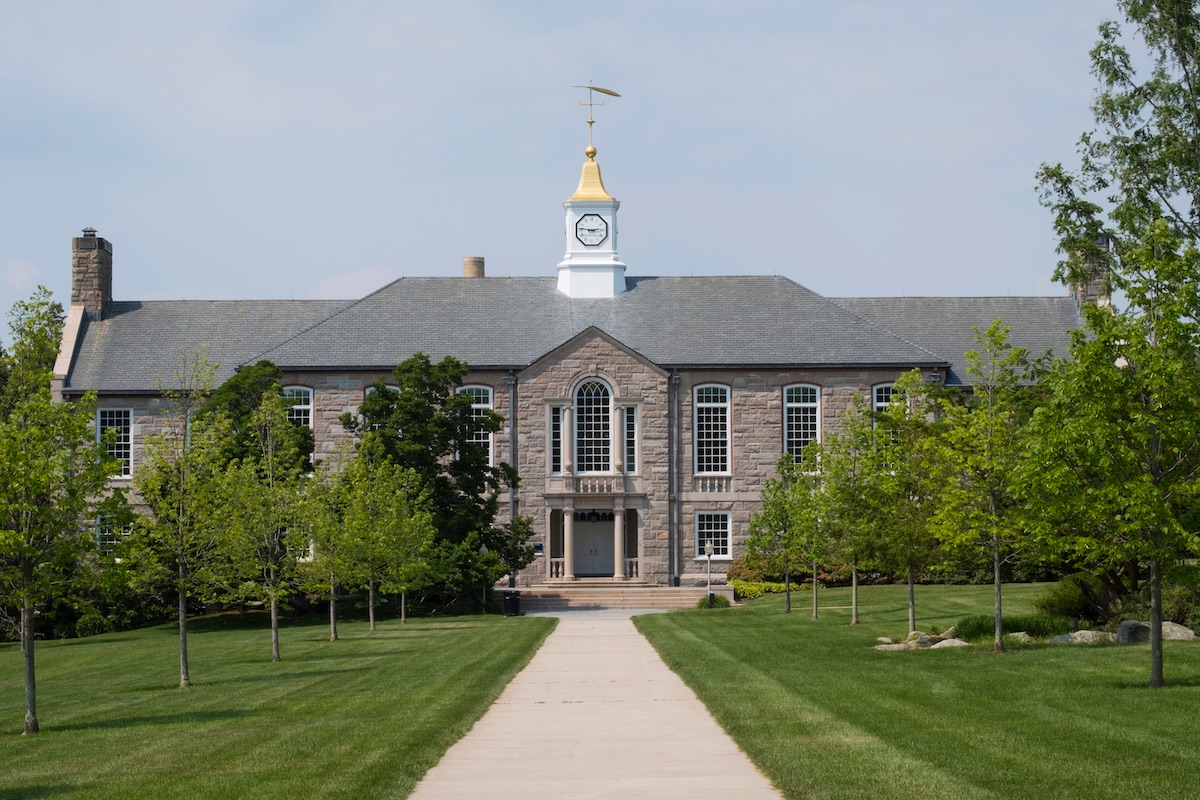

For some students at the University of Rhode Island, graduating on time is not easy, especially for students in smaller majors with limited class availability.
Limited course availability had extended third-year landscape architecture and place science student Catherine DeAngelo’s college career by a whole year.
Her situation was not an isolated incident. Five other students in her program have been held back due to limited class availability, according to DeAngelo.
DeAngelo’s experience mirrors a nationwide trend. A recent report from Infrastructure suggests that more than half of college students have taken courses in other institutions to stay on track to graduate.
This happens because of a students’ home school not offering the class or offering at an inconvenient time.
Students who cannot enroll in required courses are more likely to take lighter course loads or skip semesters altogether, extending their time in college and increasing overall costs, according to recent reports from the New York Times.
The Infrastructure report also said that 42% of students risk only receiving partial credit or none at all when they take these courses at different colleges. This adds another layer of uncertainty for those wanting to stay on track.
DeAngelo said while her financial situation allows her to manage the extra year at URI, many of her peers face more difficult choices.
“I have friends in the program where that fifth-year is kind of something that looms over their head,” DeAngelo said. “They don’t really know how they’re going to pay for it, or they don’t want to take out more loans for it.”
The landscape architecture program operates with strict course sequencing and has limited flexibility, according to DeAngelo. With only about five full-time professors, most classes are offered once a year and must be taken in a specific order. Both of DeAngelo’s majors are smaller in size and although it may seem easy to schedule out, courses fill or conflict with other prerequisites.
“If you’re a double major and can’t fit a class in, that kind of messes you up,” DeAngelo said. “There’s not a lot of wiggle room in the program.”
Inconsistent advising has made the situation worse and for some students, according to DeAngelo.
“There’s been a lot of confusion,” DeAngelo said. “Some advisers in the CELS program told students that you can probably work something out, and then once they were in the program, they were told there’s nothing we can really do.”
Some students have been able to adapt and overcome, according to DeAngelo. The issues extend beyond individual circumstances.
Even though she can deal with it, for others in her program, it was much more difficult and stressful.
Limited staffing and rigid-scheduling structures are key causes to the problem, according to the New York Times and DeAngelo. The issue shows the most in smaller and more specialized college majors, like fine arts and music, and that students may have fewer opportunities to complete the required classes in time.
“I think they don’t have the bandwidth to handle it,” DeAngelo said. “I think it would be great if the university was putting more money into these small programs and staffing them correctly.”