As students fill rental houses and local bars, landlords and business owners say underage drinking is a persistent challenge that they have struggled to contain.
“If someone has a party and underage students are caught drinking, fines go up from about $600 to $500 per person,” Evan Morrill, vice president of operations at Narragansett Properties, said. “There’s no way for us to babysit someone all the time and see what’s going on in the house.”
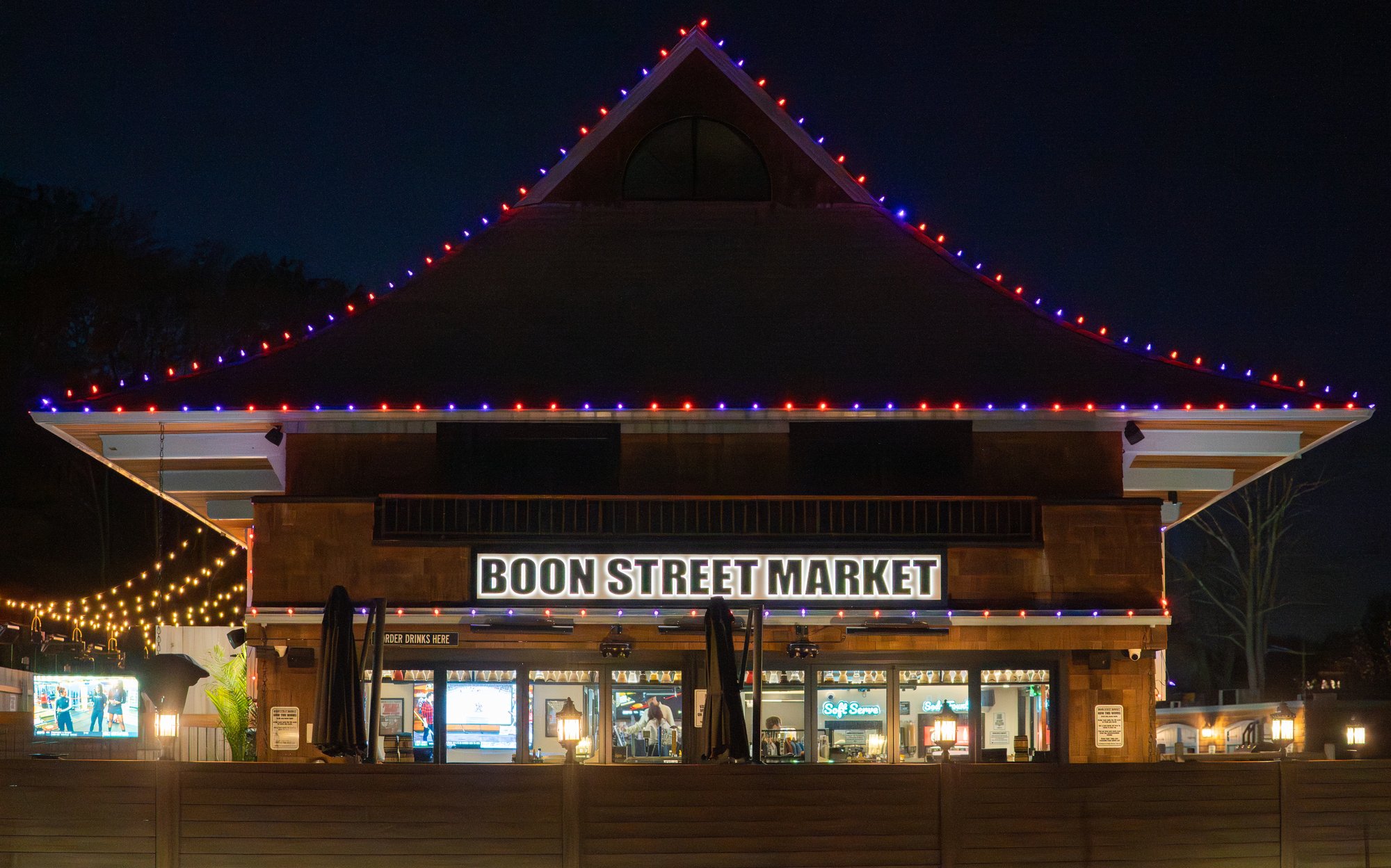
Local bar operators have taken a more proactive approach, working closely with law enforcement and other businesses to prevent minors from getting into bars, according to Brandon Johnson, general manager of Boon Street Market. Staff regularly meet with police to stay informed about trends, specifically the use of fake identification cards.
The ability of landlords to control behavior inside rental properties is limited once people move in, according to Morrill. Responsibility lies with law enforcement and the students themselves.
The company tries to discourage large parties by directly communicating with tenants and their families about the potential consequences, according to Morrill.
“We do try to limit the amount of parties by emailing parents and students explaining to them the penalties that come along with having a party,” Morrill said.
The penalties can include fines and the loss of future housing opportunities, but enforcement largely falls to the police, according to Morrill. Fines for violations can escalate quickly when underage drinking is involved.
“We have meetings with the local law enforcement to go over things that they’re seeing and different trends to look for, states that are using fake IDs that are popular around campus,” Johnson said.
The bar has a collection of fake IDs for training purposes and uses electronic scanning to verify identification, according to Johnson.
“We use these scanners, [called the] minor decliner,” Johnson said. “It sends the scan out to a database. It happens in real time in about three seconds and we get an answer back.”
Communication among local bars is key to maintaining safety, according to Johnson.
“We have open lines of communication with other bars in the area that take it very seriously,” Johnson said. “If we notice things or trends or see stuff that kids are doing, we’ll go back and forth with them to keep everyone aware of things we’re doing.”
Despite the efforts, both property managers and business owners acknowledge that underage drinking remains difficult to fully control, according to Johnson.
The challenge is especially difficult in a town that is predominantly populated by college students and has an active nightlife scene, according to Johnson.
“We obviously want to be a place that kids can come and enjoy,” Johnson said, “But we want to make sure that it remains a safe area.”