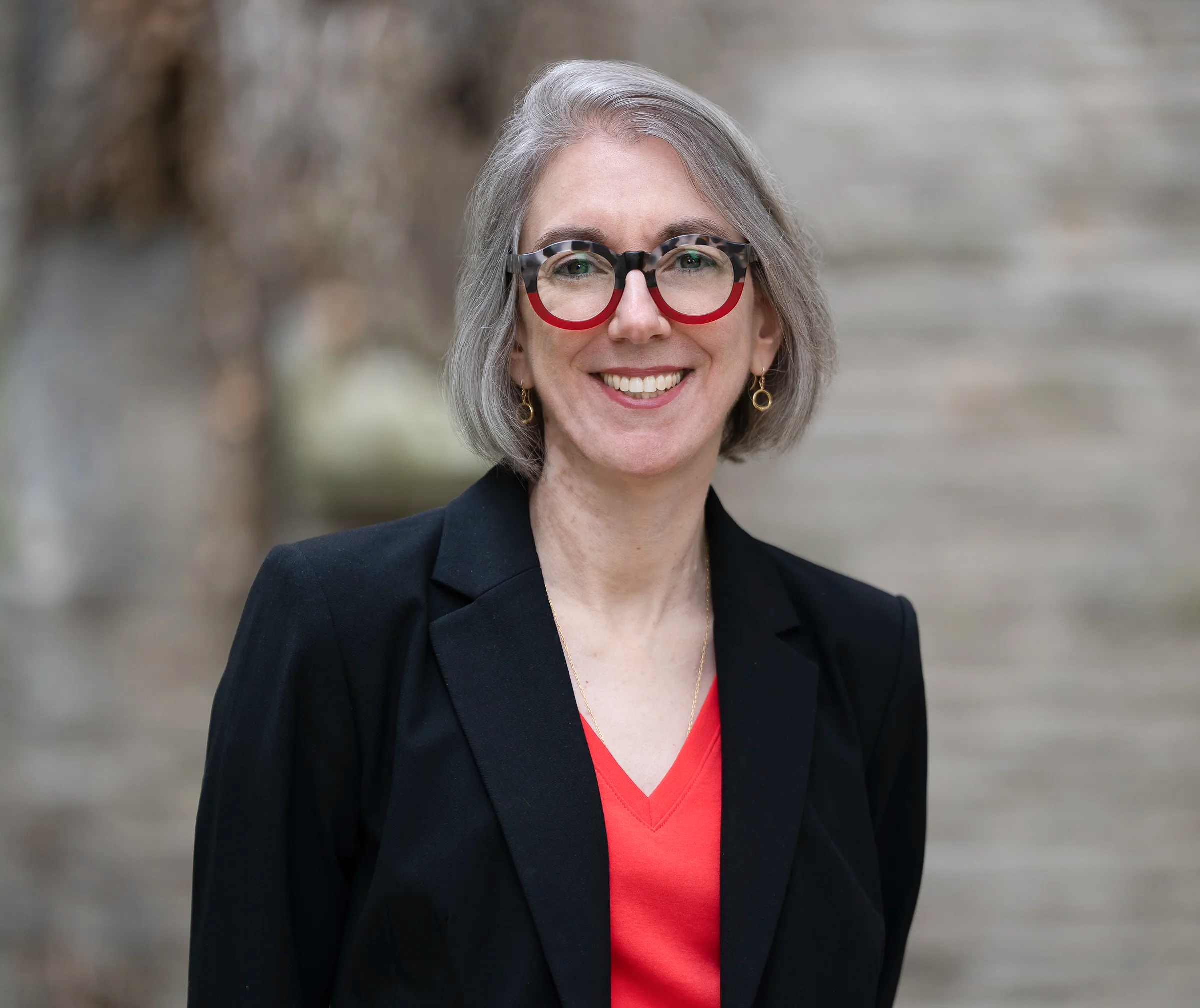
The University of Rhode Island appointed Pamela Swett as the new dean of the College of Arts and Sciences on July 26.
Originally from Massachusetts, Swett will return to New England after 27 years in Ontario, Canada, where she served as dean of the Faculty of Humanities at McMaster University in Hamilton.
“I was just interested in a new challenge in the arts and sciences role, that larger portfolio with all of those disciplines that make it kind of an exciting opportunity,” Swett said. “I could tell that URI was in a really exciting place, a sort of really good moment of ambition and growth, and so it seemed like a good time to sort of join the team.”
Swett has a Ph.D. in modern German and European history, who completed her graduate work at Brown University in Providence. Interested in history research, she said she was inspired by a faculty member in her undergraduate studies who taught a German history course, and modeled her career after the professor.
“I had to go and learn the language, and it became a sort of complicated path to take, but
that’s why I did it,” Swett said. “It just shows you the importance of a really good faculty member, right?”
Swett was drawn to the dean role to support faculty instructors and researchers doing their best work while still allowing her to do her own research. As far as specific goals for the college, Swett said she is still getting to know the office and deciding where to put the most attention.
Advancing research capacity is an important priority for Swett, as well as creating more experiential education and career training opportunities for students. Transparency, consistency in decision-making and collaborative work are high priorities for Swett as a faculty leader.
“If the faculty and the dean’s office are working well together, I think the students will feel that and see it, in their own sense of belonging, and that they’ve made a good choice, that their questions and needs will be answered, and that they’ll get the responses they need to things,” Swett said.
Swett is particularly excited about the new Fine Arts Center and the opportunities it presents for URI to host activities and events that engage students outside the humanities and the wider community.
As higher education faces shifts in demographics and sources of funding nationwide, Swett anticipates finding new ways to promote the value of a college education as a major challenge for academic leadership.
“I think universities just do amazing work in terms of preparing people to contribute to their communities in all sorts of ways, as citizens, as parents, as neighbors,” Swett said. “The fact that the higher education sector is both facing actually declining numbers of bodies that could go to university, but also this sort of rhetoric that makes it sound as if it’s not worth it to go to university, it’s certainly a challenge that we need to kind of think about and be prepared to make arguments against or in favor of universities.”
As a leader in the arts and sciences, Swett said it is crucial to emphasize the value of an education in humanities to create a diverse educated and understanding society.
“Those skills are what humanists learn and can then share with others,” Swett said. “They bring that kind of understanding of society and culture that is good for the economy, as well as good for, you know, helping well-rounded communities learn to live with each other.”